

An oily scalp can feel frustrating, especially when hair looks greasy shortly after washing. Many people search for the perfect shampoo for oily scalp, hoping a single product will solve the problem completely. While the right shampoo can certainly help, recurring oiliness often involves more than surface cleansing alone.
Excess oil may be linked to irritation, scalp conditions, or other factors affecting balance. Understanding what drives ongoing oil production can help support long-term scalp wellness. Better awareness often leads to more effective care decisions.
What Shampoo for Oily Scalp Actually Does
A quality shampoo for oily scalp is designed to remove excess sebum, dirt, sweat, and product residue. Regular cleansing helps create a cleaner scalp environment and improves overall comfort. Hair often feels lighter and looks fresher after proper cleansing.
Sebum is a natural oil produced by glands connected to hair follicles. Healthy oil production helps protect the scalp and maintain moisture balance. Excess oil can become noticeable when the scalp produces more sebum than needed for balance.
Oil can combine with dead skin cells, sweat, and styling products. That mixture may create buildup that leaves the scalp feeling heavy or uncomfortable. A cleaner scalp environment can help support healthy hair growth.
A shampoo can remove much of that surface accumulation effectively. Product formulas cannot always address why oil production remains excessive. Persistent oiliness may be a sign that your scalp needs additional attention and support.
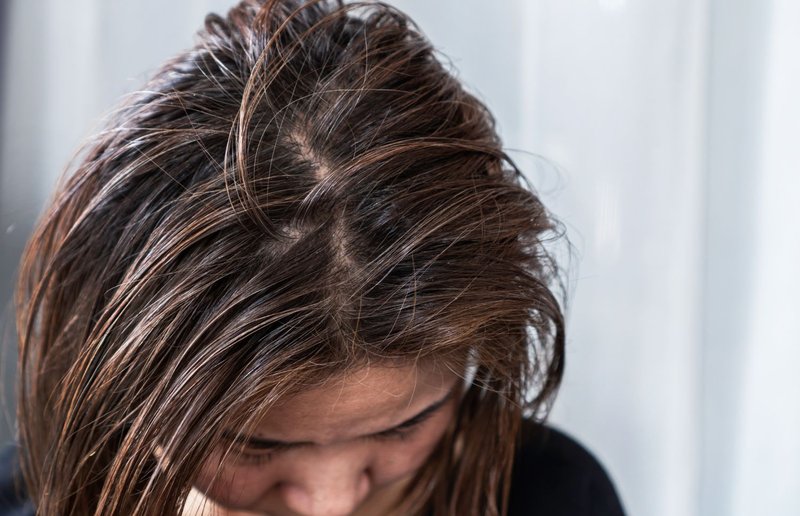
Why Excess Oil Often Returns So Quickly
Many people notice oil returning within a day or two after washing. Trying different products may produce similar results. Recurring oiliness often involves factors beyond shampoo selection.
Overactive oil glands can contribute to persistent scalp greasiness. Hormonal fluctuations, genetics, stress, and environmental factors may influence sebum production. Different products may help manage symptoms, but they cannot address every contributing factor.
Excess oil and debris may collect around follicle openings. That accumulation can leave the scalp feeling heavy even after washing. Eventually, that buildup can make it more difficult for the scalp to maintain balance.
Certain scalp conditions may contribute to excessive oil production and irritation. A large systematic review published through PubMed found seborrheic dermatitis affects approximately 4.38% of people globally. Researchers reported higher prevalence rates among adults compared to children.
The Hidden Problem of Product Buildup
Styling products can gradually build up on the scalp without being immediately noticeable, even when using shampoo for oily scalp. Dry shampoos, sprays, creams, and oils often leave behind residue that continues to accumulate over time. Even with regular washing, the scalp may still feel heavy or unclean.
This buildup often comes from a few common sources and patterns that are easy to overlook:
- Dry shampoo and styling sprays can cling to the scalp and hair shaft
- Heavier creams and oils may not fully rinse out during regular washing
- Residue can mix with natural oils and dead skin cells
- Accumulation may affect scalp comfort and overall balance
When buildup continues, the scalp can feel less refreshed even after cleansing. Many people then try to wash more often or switch products frequently, but the cycle may continue if the residue is not properly addressed. Understanding what is accumulating on the scalp can help guide more effective and balanced care decisions.

Can Overwashing Make Things Worse?
Frequent cleansing is not automatically harmful for every individual. Washing needs vary based on scalp type, oil production, activity levels, and lifestyle. Some people with oilier hair may benefit from washing more often depending on individual scalp needs and daily factors.
Problems can arise when harsh cleansing products strip the scalp of its natural oils. The Cleveland Clinic notes that when the scalp loses too much moisture, it can become dry, tight, itchy, or irritated. Strong cleansing agents may contribute to this imbalance when used too frequently or aggressively.
Some people experience both dryness and ongoing oiliness at the same time. A disrupted scalp moisture balance can contribute to discomfort and sensitivity. Healthy scalp care focuses on effective cleansing while maintaining the scalp’s natural protective barrier.
Signs You May Need More Than Shampoo for Oily Scalp
Persistent oiliness sometimes signals a deeper scalp concern beyond what shampoo for oily scalp can address. Surface symptoms rarely provide a complete picture. Professional evaluation can offer valuable insight.
Several signs may indicate additional scalp support could be beneficial:
- Excess oil returning quickly after washing
- Persistent itching or irritation
- Flaking alongside scalp greasiness
- Noticeable product buildup accumulation
- Hair appearing limp despite frequent cleansing
- Scalp discomfort that continues gradually
Irritation and buildup can affect how comfortable and healthy your scalp feels. Hair follicles function best within a balanced scalp environment. Addressing those concerns can support a healthier scalp and better long-term results.
A professional scalp analysis helps identify factors that products alone cannot reveal. Personalized recommendations often provide better direction than trial-and-error product shopping. Clear answers can help support more effective scalp care.

Building a Complete Scalp Wellness Routine
Long-term scalp health involves more than choosing one product. Effective care combines proper cleansing with targeted scalp support. Consistency plays an important role in maintaining balance.
Gentle shampoos can help manage daily oil buildup effectively, including shampoo for oily scalp options designed for balance. Regular cleansing helps remove debris before it becomes more noticeable. Home care routines can support a healthier scalp environment.
Professional scalp treatments may offer additional support when concerns continue. Deep cleansing can help address excess buildup and scalp congestion. Personalized care plans focus on individual scalp needs and long-term balance.
When Shampoo for Oily Scalp Alone Is Not Enough
Choosing the right shampoo for oily scalp can be an important part of your routine, but products are only one piece of the larger scalp health picture. When oiliness keeps returning despite your best efforts, it may be time to explore what is happening beneath the surface.
At Genesis Center for Hair Loss, personalized scalp evaluations help identify whether buildup, follicle congestion, irritation, or other scalp concerns are contributing to ongoing oiliness. Their customized treatment approach is designed to identify what may be contributing to recurring oiliness and create a care plan tailored to your scalp's unique needs. The goal is to support healthier long-term scalp balance through personalized, non-surgical care.

Book your consultation online or call (630) 909-9396 to discover solutions that go beyond shampoo and support healthier long-term scalp balance.