

Many people first become aware of scalp imbalance when hair feels weighed down shortly after washing and styling loses its hold. That moment often signals the need for oily scalp treatment, as excess sebum begins to outpace the scalp’s natural balance. This condition can affect comfort, appearance, and overall scalp wellness.
Although oily scalp treatment may seem straightforward, scalp activity is influenced by multiple internal and external factors. Hormonal shifts, product residue, and environmental exposure can all contribute to oil imbalance. Understanding these influences helps create a more realistic approach to long-term scalp care.
Understanding Oily Scalp Treatment and Oil Production Imbalance
Oily scalp care involves understanding how natural oils support scalp protection and hydration. MedlinePlus explains that seborrheic dermatitis occurs when excess oil combines with skin cells, which can lead to flaking and irritation when buildup forms on the scalp.
Several factors can influence how the scalp produces and manages oil. Hormonal changes, stress levels, inconsistent cleansing, and product residue may all contribute to a heavier scalp environment. MedlinePlus notes that this buildup can increase visible flaking and discomfort over time.
Supportive care focuses on maintaining scalp function rather than removing all natural oils. A stable scalp environment helps support healthier follicle activity and more consistent oil behavior. Gradually, this can contribute to improved scalp comfort and manageability.
Misconceptions About Shampoo and Product Use
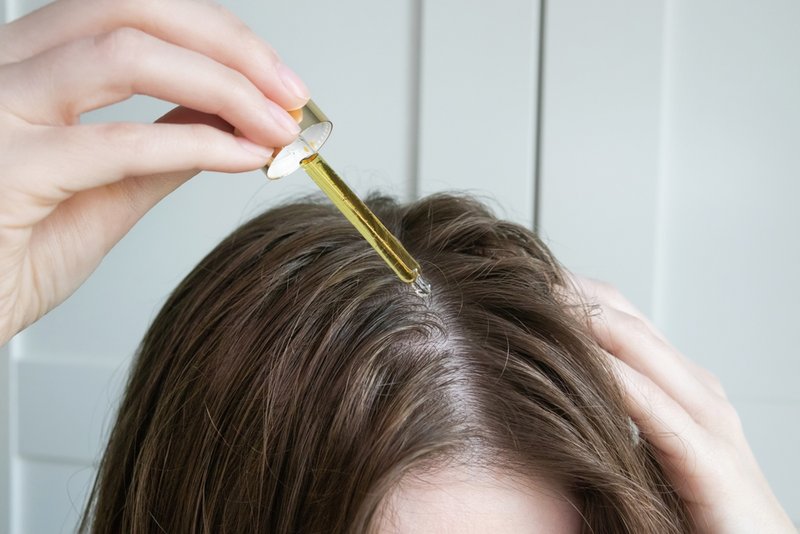
Many believe managing scalp oil requires stronger shampoos for deeper cleansing and faster results. Harsh formulas can disrupt the scalp barrier and may trigger increased oil production. This can lead to oiliness returning more quickly after washing.
Frequent washing is often misunderstood as the most effective oily scalp treatment strategy. In reality, over-cleansing can leave the scalp feeling dry and reactive. This imbalance may cause the scalp to compensate by producing more sebum.
Additionally, product layering can affect scalp care outcomes. Heavy styling products may leave residue that builds up on the scalp surface. Choosing lightweight, non-clogging formulas becomes an important part of daily care.
Oily Scalp Signs That Indicate Scalp Imbalance
Persistent oiliness shortly after washing often signals a need to reassess scalp care routine. Hair may lose volume quickly and appear weighed down despite proper cleansing. These signs suggest the scalp is not maintaining stable oil balance.
Scalp discomfort, including mild itching or tightness, can also appear during the treatment process. Sometimes, flaking occurs when oil mixes with dead skin cells on the scalp surface. The scalp texture may feel uneven or sensitive.
In some cases, hair density may appear reduced when oily scalp needs are not addressed. Clogged follicles can affect how hair grows and feels. Therefore, early attention to these symptoms supports better scalp outcomes.

Scalp Detox and Follicle Cleansing Benefits
Scalp detox helps manage oily scalp by removing residue and buildup from the surface. This creates a cleaner environment around follicles and supports better scalp balance and comfort.
Deep cleansing techniques reach areas regular shampoo may miss. Detox methods also reduce congestion that can affect follicle function. Research on follicle biology shows that microbial and immune balance at the scalp level plays a role in maintaining a stable scalp environment, especially when buildup is minimized.
Scalp detox can also improve how products interact with the scalp. With less buildup, active ingredients absorb more effectively. Studies on follicle and skin barrier function suggest that a balanced surface environment supports better product performance and scalp responsiveness.
Oily Scalp Treatment and Scalp Analysis for Personalized Care
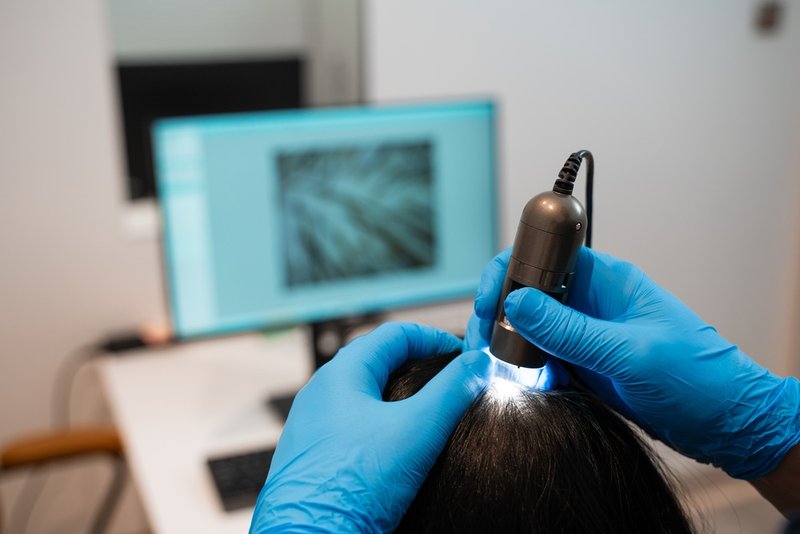
Scalp analysis plays an important role in effective treatment planning. It helps identify oil levels, buildup patterns, and overall follicle condition. Treatment becomes more precise and tailored to individual needs.
Professional evaluation strengthens care outcomes by identifying contributing lifestyle and scalp factors. In addition, it helps distinguish between surface oil and deeper imbalance. Thus, recommendations become more accurate and supportive.
Personalized oily scalp treatment plans often combine cleansing guidance, detox support, and scalp care routines. This approach focuses on restoring balance rather than addressing only visible symptoms. Consequently, long-term scalp stability becomes more achievable.
Habits That Support Daily Scalp Balance
Consistent routines support oily scalp treatment by helping maintain a balanced scalp environment. Gentle cleansing removes excess oil without disrupting natural protection. The scalp remains more stable throughout the day. Nutrition and hydration also play a supportive role by helping maintain normal skin and scalp function.
A balanced diet can influence overall scalp condition over time. Internal wellness can contribute to external scalp balance. Stress levels may also affect scalp balance in subtle ways. Higher stress can influence hormone activity linked to oil production. Calmer daily routines may help support overall scalp stability.
Simple Daily Scalp Habits That Support Balance
Healthy oily scalp routines often depend on simple, consistent habits that support scalp comfort.
- Use mild, sulfate-balanced cleansers suited for scalp sensitivity
- Limit heavy styling products that may leave residue on the scalp
- Maintain regular washing intervals without over-cleansing
- Clean brushes and combs to reduce oil and buildup transfer
- Support scalp wellness with hydration and balanced nutrition daily
These habits help improve oily scalp as long as you remain consistent. They also reduce unnecessary stress on the scalp. Steady routines often matter more than aggressive product use.
Supporting Long-Term Scalp Balance with Oily Scalp Treatment
Oily scalp treatment works best when focused on restoring balance rather than removing all natural oils. A steady and informed approach helps the scalp regulate oil more effectively. Therefore, consistency becomes an important part of long-term scalp wellness.
Lasting results often depend on identifying buildup, follicle condition, and daily habits together. When care is guided by proper evaluation, outcomes tend to feel more stable and manageable. Genesis Center for Hair Loss supports this approach through personalized scalp-focused care.
At Genesis Center for Hair Loss, oily scalp treatment is tailored to each individual’s scalp condition and concerns. Each treatment plan focuses on restoring scalp balance through analysis and supportive therapies.

Book your consultation online or call (630) 909-9396 to explore oily scalp treatment options designed around your unique scalp needs.