

Maintaining a healthy scalp requires understanding the specific symptoms that cause daily physical discomfort. Determining the actual cause between psoriasis vs eczema remains a very common clinical challenge. These two inflammatory conditions often look similar but require different management approaches today.
Accurate identification is the first step toward achieving a truly healthy and balanced scalp. Understanding the unique characteristics of each helps in selecting the most effective wellness treatments. Proper knowledge empowers you to make better decisions for your long-term scalp health.
Primary Biological Differences
Psoriasis represents a chronic autoimmune condition where skin cells grow at an accelerated rate. Specifically, this rapid turnover creates thick patches of skin that appear as silvery scales. Conversely, eczema stems from a compromised skin barrier that reacts poorly to external irritants.
Research from the Cleveland Clinic suggests that eczema affects over thirty million people nationwide. Additionally, psoriasis affects approximately eight million people across the United States according to National Psoriasis Foundation studies. Identifying the keyword psoriasis vs eczema helps in understanding these very different biological pathways.
Genetics play a significant role in how these conditions manifest on the human scalp. While psoriasis involves overactive immune signals, eczema relates to specific allergic histories. Professional guidance ensures that you address the actual source of your recurring scalp issues.
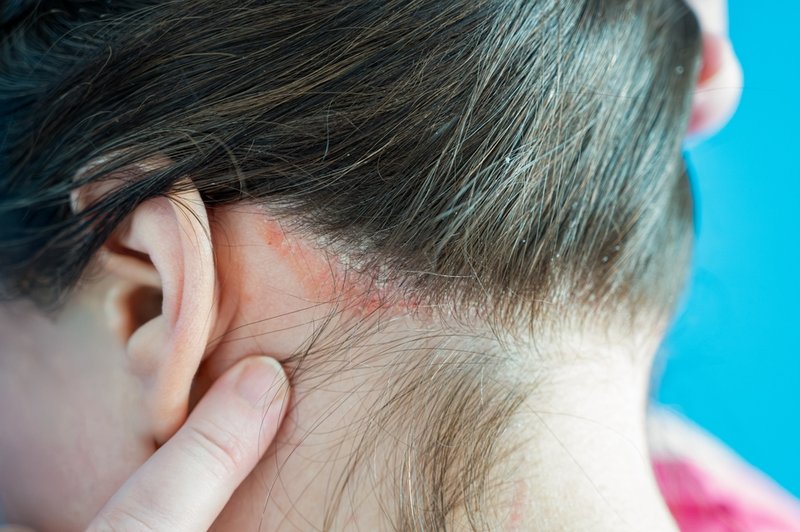
Psoriasis vs Eczema: Visual Characteristics
Identifying the physical differences between these two conditions is essential for choosing effective care. Therefore, you should look closely at the texture and color of affected skin patches. These physical markers allow for a better understanding of the psoriasis vs eczema debate.
The following list highlights the primary visual markers to observe during your home assessment:
- Psoriasis usually displays well defined edges with thick and very silvery colored scales.
- Eczema patches often look much thinner and appear as red or brownish scales.
- Scalp psoriasis can feel like a firm crust that covers the entire head.
- Eczema typically causes a weeping texture after frequent scratching or significant skin irritation.
- Psoriasis scales tend to bleed slightly if they are accidentally picked or removed.
Recognizing these subtle differences helps you describe your symptoms more accurately to a specialist. Ultimately, clearer communication leads to better outcomes when evaluating the visual traits of psoriasis vs eczema.

Common Locations for Inflammation
Psoriasis often appears on the elbows, knees, and the lower back of the body. Moreover, it frequently affects the scalp by extending slightly past the natural front hairline. Conversely, eczema prefers the back of the knees or the insides of the elbows.
Many people find that eczema affects the neck and the sensitive area around eyes. However, both conditions can aggressively target the scalp and cause significant hair thinning. Proper diagnosis of psoriasis vs eczema is necessary when inflammation occurs in these areas.
Because the scalp is a shared territory, professional analysis becomes even more vital here. Identifying the exact location of your irritation helps determine the most appropriate therapy. You should monitor where these patches appear to better understand your specific scalp needs.
Psoriasis vs Eczema: Understanding Triggers
Identifying what causes your specific flare ups will help you maintain much better results. External and internal factors can significantly impact the severity of your current symptoms. Learning to avoid specific environmental irritants will help you maintain a much calmer scalp.
Observe these common triggers that frequently cause localized inflammation to worsen over time:
- Stress acts as a major trigger for both conditions and worsens scalp inflammation.
- Cold weather and dry indoor air frequently cause eczema symptoms to flare up.
- Psoriasis can be triggered by skin injuries like cuts, burns, or even vaccinations.
- Common household detergents and fragrances are frequent culprits for triggering itchy eczema patches.
- Certain medications or infections might cause a sudden onset of new psoriasis plaques.
Small lifestyle adjustments can significantly reduce the frequency and severity of your scalp discomfort. In turn, consistent monitoring of your symptoms will reveal patterns regarding psoriasis vs eczema.
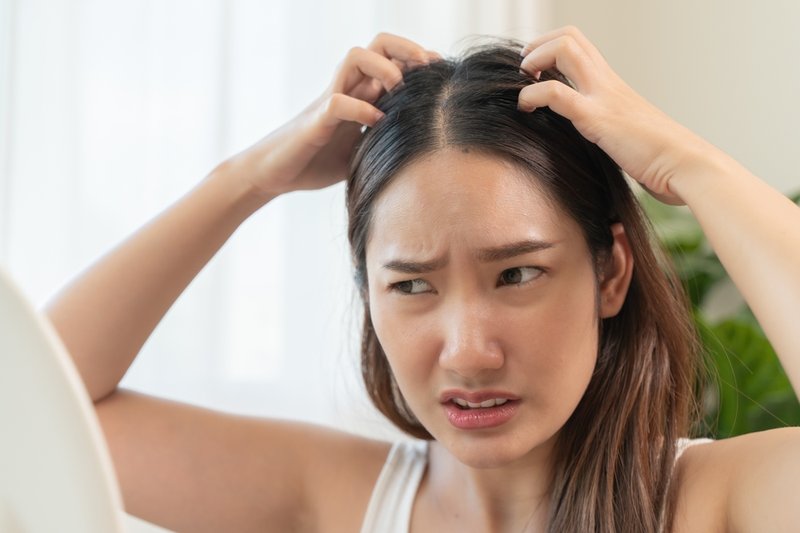
Psoriasis vs Eczema: Individual Scalp Needs
Determining your specific condition requires a professional look at the current state of follicles. Naturally, you can learn about the unique traits of psoriasis vs eczema during analysis. Professional evaluation ensures that every client receives a plan that addresses their specific concerns.
The following factors are considered when performing a comprehensive and personalized scalp health evaluation:
- The total amount of visible product buildup currently sitting on the skin surface.
- Current levels of redness and inflammation present around the active hair follicle openings.
- The overall density and strength of the hair strands across the entire scalp.
- Presence of any fungal or bacterial activity that could be mimicking other conditions.
- General moisture levels and the relative health of the natural protective skin barrier.
Achieving a comfortable scalp starts with identifying the root cause of your persistent irritation. Finding the right balance for psoriasis vs eczema leads to a much healthier lifestyle.
Restoring Lasting Scalp Wellness
Achieving a comfortable scalp starts with identifying the root cause of your persistent irritation. Understanding the subtle differences of psoriasis vs eczema helps you find suitable care. Our focus remains on restoring your scalp balance while supporting long term hair health.
At Genesis Center for Hair Loss, our specialists provide detailed analysis for psoriasis vs eczema. We focus on creating a customized plan that supports your unique scalp health goals. Our team understands how these conditions impact your hair density and personal self confidence.

Book your consultation online or call (630) 909-9396 to achieve a healthier scalp and beautiful hair.