

Persistent scalp discomfort often leads individuals to explore scalp eczema treatment after repeated flare-ups. Symptoms may include itching, flaking, and noticeable scalp sensitivity during daily routines. These issues can affect comfort and confidence in managing everyday hair care.
Scalp conditions vary widely, so identifying the exact cause of irritation is not always straightforward. Some people experience short flare-ups, while others deal with recurring symptoms. Understanding how scalp eczema treatment works can support better decisions for long-term scalp comfort and balance.
Recognizing Early Signs of Scalp Eczema
Scalp discomfort often begins subtly before becoming more noticeable. Many individuals first notice intermittent itching along the scalp line during daily routines. Flaking and mild tightness may follow during grooming or washing.
Scalp sensitivity can increase after using certain shampoos or styling products. Some individuals also notice redness after scratching or exposure to heat. Recognizing these early changes can support more informed care decisions.
Ongoing irritation may gradually affect the scalp barrier over time. Hair follicles may then struggle to maintain a balanced environment for healthy growth. These patterns often indicate when scalp eczema treatment should be considered more seriously.
Over-the-Counter Treatment Options
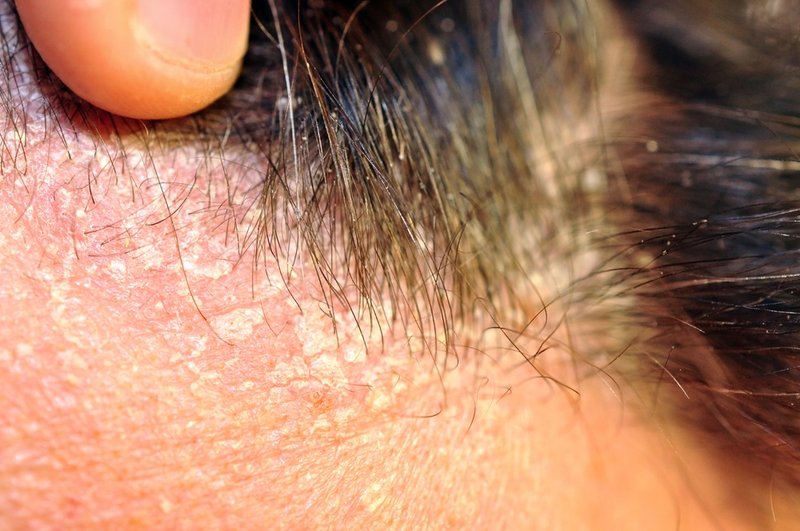
Many individuals begin scalp eczema treatment with over-the-counter products to help manage early symptoms. Medicated shampoos are commonly used to help reduce flaking, itching, and scalp redness. Gentle cleansers may also support comfort by limiting irritation from harsh ingredients.
According to Mayo Clinic, seborrheic dermatitis is linked to factors such as excess oil production and a naturally occurring yeast on the skin, which can contribute to recurring flare-ups. Because of these contributing factors, symptom patterns may differ from person to person depending on scalp environment and triggers.
While over-the-counter products can help manage visible symptoms, they may not fully address underlying scalp imbalance. Flare-ups may return when oil levels, sensitivity, or microbial factors remain active. For this reason, scalp eczema treatment often requires a broader and more consistent care approach.

Professional Scalp Detox in Scalp Eczema Treatment Care
Scalp buildup from oil, sweat, and styling products can contribute to ongoing irritation. Professional scalp detox focuses on gently clearing this buildup to improve scalp comfort. A cleaner surface often feels less reactive and more balanced.
Improved scalp cleanliness can also support better circulation and oxygen flow. This creates a healthier environment for hair follicles to function properly. Over time, this may improve how the scalp responds to ongoing scalp treatment routines.
When buildup is reduced, the scalp can better absorb nourishing treatments. This helps minimize clogging that may worsen irritation. Professional cleansing therefore plays a supportive role in long-term scalp care for scalp eczema treatment.
Advanced Therapies Supporting Scalp Eczema Recovery
Advanced scalp therapies may include light-based support and hydration-focused treatments designed to calm irritation. These approaches in scalp eczema treatment aim to strengthen the scalp barrier and improve overall resilience. Gradual improvement is often seen with consistent care.
The American Academy of Dermatology explains that eczema is a chronic inflammatory skin condition caused by an overactive immune response that weakens the skin barrier. Ongoing inflammation often leads to recurring flare-ups that require consistent management to reduce irritation. This supports the need for steady care to help maintain skin barrier health.
Personalized treatment plans are especially helpful because scalp triggers can differ from person to person. Treatment is often more effective when tailored to individual scalp needs rather than a general approach. This helps support longer-lasting scalp comfort.
Key Signs That Guide Eczema Treatment Decisions
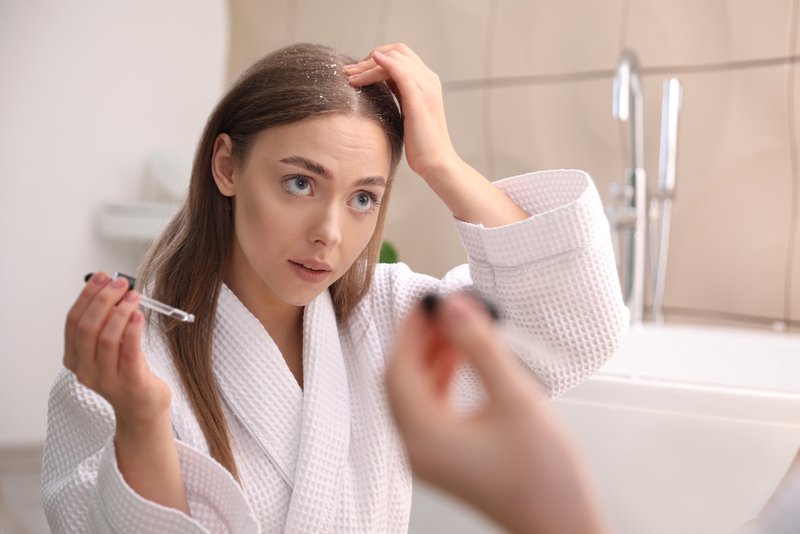
Scalp eczema treatment often becomes necessary when symptoms continue despite changing products. Many individuals notice recurring itching that feels worse during stress or seasonal shifts. Flaking that returns shortly after washing may also be a common concern.
To better understand scalp condition, several signs may appear together:
- Ongoing itching that affects daily comfort
- Flaking that reappears shortly after cleansing
- Sensitivity to mild or fragrance-free products
- Red or irritated patches after scratching
- Increased shedding linked with scalp discomfort
When these signs persist, scalp eczema treatment may benefit from a more guided approach. Understanding symptom patterns helps reduce uncertainty in daily scalp care decisions.
Early attention to scalp imbalance may help reduce long-term irritation. This can support a more stable and comfortable scalp environment.
Professional Guidance for Long-Term Scalp Eczema Treatment
Long-term improvement often depends on identifying what is driving scalp irritation. Scalp eczema treatment becomes more effective when supported by careful evaluation and consistent monitoring. This helps reduce repeated trial-and-error with products.
At Genesis Center for Hair Loss, personalized scalp evaluations guide treatment recommendations based on each client's specific symptoms, scalp condition, and wellness goals. Their customized approach focuses on improving scalp health while helping clients find practical solutions that fit their unique needs.

Book your consultation online or call (630) 909-9396 to explore scalp eczema treatment options designed for long-term scalp comfort and balance.