

Itchy flakes often cause significant frustration when they suddenly appear on your dark daily clothing. You might assume common dandruff is the culprit behind those pesky white skin particles. However, distinguishing between scalp psoriasis vs dandruff requires a closer look at your specific symptoms.
Understanding these differences helps you choose the right path for your unique personal scalp health. Proper identification ensures that your hair follicles remain healthy and supportive for future hair growth. Professional guidance allows you to manage these conditions without feeling overwhelmed by conflicting online advice.
Understanding Scalp Psoriasis vs Dandruff Basics
Simple dandruff typically originates from an overgrowth of yeast known as Malassezia on the skin. This common fungus feeds on natural scalp oils and leads to significant skin irritation. Consequently, the scalp sheds dead skin cells faster than the usual thirty day cycle.
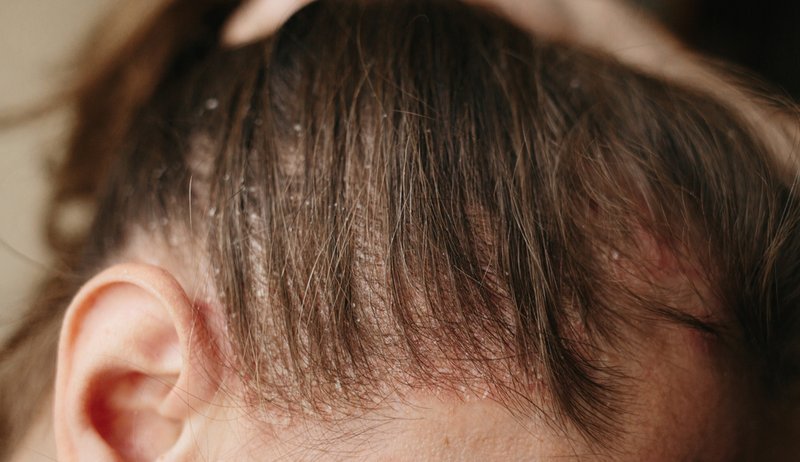
You will notice small white flakes that easily fall away from your thick hair. These particles usually lack a thick texture and do not stick firmly to skin. Gentle cleansing routines frequently resolve these minor issues for most individuals experiencing basic skin flaking.
In contrast, scalp psoriasis involves a complex autoimmune response within your internal bodily systems. Your body mistakenly speeds up skin cell production, creating thick and silvery scale layers. These patches often feel raised and may extend beyond your natural hairline or ears.
Symptoms of Scalp Psoriasis vs Dandruff
Identifying the exact cause of your discomfort requires observing how your skin behaves every day. You should notice if the flakes are oily or if the skin feels very dry. Redness and itching are common indicators that your scalp environment has become significantly imbalanced.
Common symptoms that may appear during a flare-up include the following visible signs:
- Visible skin flaking that ranges from fine powder to thick silver scales on skin.
- Persistent itching that causes significant discomfort during your daily activities or nightly sleep.
- Localized redness or inflammation appearing in small patches or across the entire scalp area.
- Tightness or soreness that makes brushing your hair feel very sensitive or even painful.
- Temporary shedding caused by constant scratching or heavy buildup around the active hair follicles.

Proper care reduces the risk of long-term damage from repeated and painful inflammatory episodes. Addressing these issues early helps you navigate the complexities of scalp psoriasis vs dandruff.
Why Professional Evaluations Matter
Many people spend years trying various products without seeing any real long-term scalp results. Over-the-counter solutions often fail because they do not target the actual underlying biological cause. A detailed scalp analysis uses specialized tools to see what the naked eye misses.
According to the American Academy of Dermatology, data validates that approximately 3.2% of adults have psoriasis. This statistic explains why self-diagnosis is difficult when an underlying autoimmune condition is present. Proper identification of your specific condition is the first step toward achieving lasting relief.
As a result, research from the National Institutes of Health shows that 75% of people feel self-conscious. This emotional impact is why finding the right solution is so incredibly important for you. Expert guidance provides the reassurance needed to achieve a balanced and healthy scalp environment.
Identifying Scalp Psoriasis vs Dandruff Textures
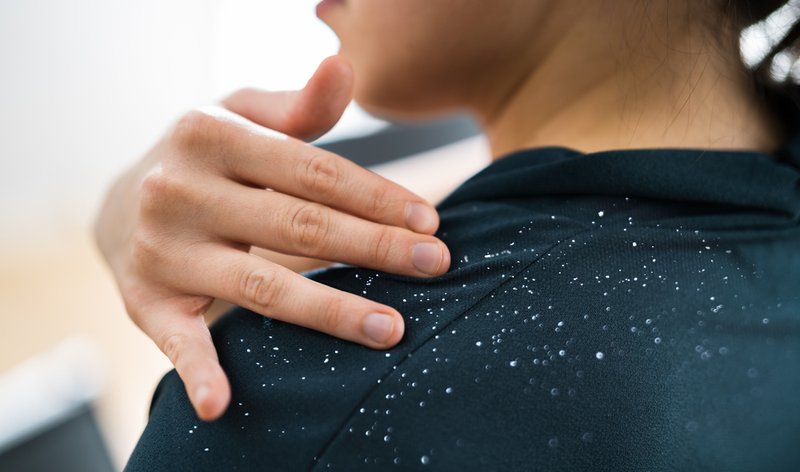
Dandruff flakes usually feel soft and may appear yellow due to excess scalp oil. These particles move freely through the hair and do not typically crust onto skin. You might find them most visible on your shoulders after you brush your hair.
Specifically, the skin underneath often looks pink but rarely bleeds or feels excessively thick. Most people find that regular washing helps control these symptoms during the typical week. Consistent hygiene practices often keep these common flakes away for very long periods.
Scalp psoriasis produces scales that feel firm and may bleed if you scratch skin. These plaques often look like cracked pavement and have a distinct and well-defined border. You might notice a silvery sheen that reflects light differently than normal dead skin.
Impact of Scalp Psoriasis vs Dandruff on Growth
Persistent buildup often hides the true condition of your skin from your own view. Clearing this debris is essential for any treatment to reach the active living cells. Ultimately, healthy follicles require a clean and balanced environment to produce strong and vibrant hair.
Buildup can impact your hair growth in several ways including these common biological factors:
- Excessive scale accumulation can physically block the hair from emerging from the follicle.
- Heavy oil buildup creates a breeding ground for bacteria that may cause infections.
- Chronic inflammation weakens the hair root and may lead to increased daily shedding.
- Product residue often becomes trapped within flakes, causing further scalp skin irritation.
- Reduced oxygen flow to the scalp surface hinders the natural hair growth cycle.
Proper maintenance ensures that your scalp remains a supportive foundation for long-term hair wellness. Using a professional scalp detox helps manage the symptoms of scalp psoriasis vs dandruff.
Restoring Balance and Scalp Health
Identifying the specific differences between scalp psoriasis vs dandruff remains essential for your hair. Accordingly, these conditions require different ingredients to soothe skin and encourage healthy and strong growth. Finally, a professional evaluation removes the confusion and provides a clear path toward total relief.
At Genesis Center for Hair Loss, we provide the expert analysis you need right now. Our team understands the complexities of scalp psoriasis vs dandruff for every unique individual. We focus on creating a balanced environment to support your long-term hair restoration goals.

Book your consultation online or call (630) 909-9396 to understand your scalp more clearly.