

Many people become frustrated when hair looks greasy shortly after cleansing. An oily scalp often develops from several overlapping factors affecting balance. Excess oil rarely appears alone and frequently accompanies buildup concerns.
Product residue, dead skin cells, and environmental particles gradually accumulate daily. Scalp conditions may become less comfortable and harder to manage. Understanding contributing factors helps support healthier scalp wellness over time.
What Causes an Oily Scalp to Produce Excess Sebum?
Sebaceous glands naturally produce oils that help protect and moisturize scalp tissues. Healthy sebum levels support the scalp's protective barrier and overall comfort. Every person produces different amounts of oil throughout daily life.
An oily scalp often develops when sebaceous glands become more active. Genetics can strongly influence how much oil the scalp produces. Hormonal fluctuations may also affect sebum production at various life stages.
Environmental factors can contribute to increased oil accumulation on the scalp. Warm weather, humidity, and frequent sweating may worsen greasy conditions. Product residue can also mix with oil and remain on scalp surfaces.
Daily habits often play a role in maintaining healthy scalp balance. Overwashing or using unsuitable products may contribute to ongoing concerns. Lasting improvement usually comes from understanding and addressing multiple contributing factors.
How Buildup and Follicle Congestion Affect Scalp Health
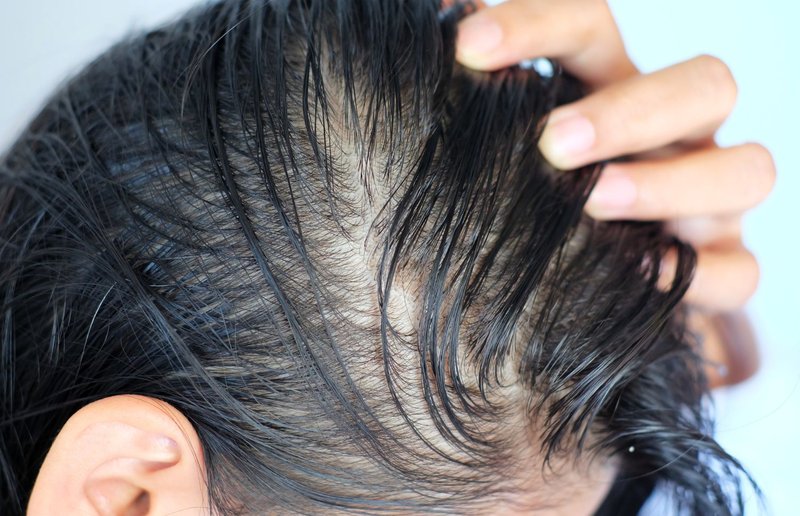
Oil alone rarely creates every challenge associated with scalp discomfort. Residue frequently combines with styling products and environmental debris. Over time, accumulated material can settle around follicular openings.
Follicle congestion can make it harder to maintain a healthy scalp environment. Many individuals notice flatter hair and lingering scalp heaviness. Product effectiveness may also decrease when buildup remains consistently present.
Regular cleansing helps remove surface residue but has certain limitations. Deeper accumulation may remain despite consistent home care efforts. Professional guidance can help uncover causes that may otherwise go unnoticed.
Signs Your Scalp May Need Additional Attention
Certain symptoms may suggest deeper scalp imbalance beyond ordinary oil production. Early recognition helps address concerns before they become increasingly frustrating.
Common signs include:
- Hair appears greasy shortly after washing and drying.
- Noticeable residue remains despite regular cleansing routines.
- Persistent itching occurs without obvious external irritation sources.
- Scalp feels heavy, coated, or uncomfortable throughout the day.
- Hair loses volume quickly near the roots and crown.
Several symptoms occurring together may indicate underlying scalp congestion. Paying attention to recurring patterns supports more informed care decisions.

Why Frequent Washing Does Not Always Solve the Oily Scalp Problem
Many people wash more often when excess oil becomes noticeable. Cleansing creates a fresher appearance and improved comfort. Results may remain temporary for some individuals.
Frequent washing removes surface oils but may not address buildup. Accumulated residue can remain attached near follicles and scalp tissues. Ongoing imbalance often involves more than excess sebum production alone.
Product selection also influences overall scalp condition throughout each week. Heavier formulations sometimes contribute additional residue accumulation. Consistent routines should focus on balance rather than excessive cleansing.
According to research published through the National Center for Biotechnology Information, sebum plays an important role supporting normal skin barrier function and protection. Healthy oil production remains necessary even when managing persistent scalp concerns.
Professional Scalp Detox Treatments for an Oily Scalp
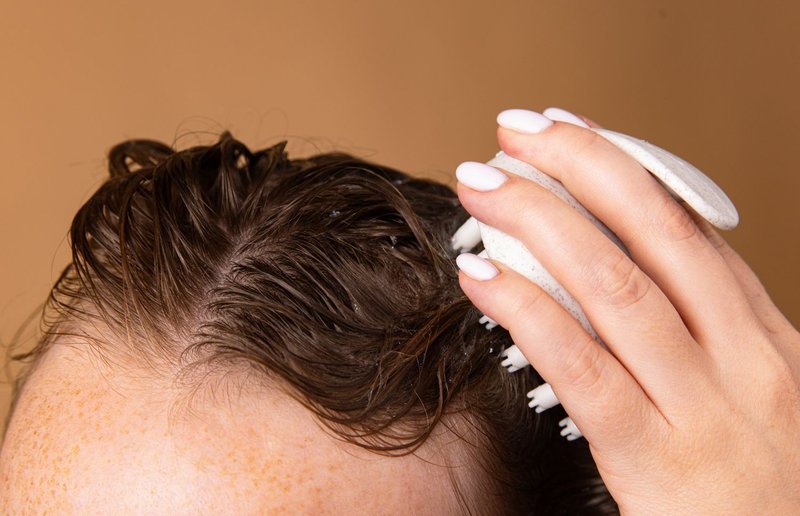
Professional scalp detox treatments are designed to cleanse beyond everyday washing. Specialized approaches help remove residue, debris, and accumulated surface oils. Treatments often support improved scalp comfort and cleanliness.
A professional assessment also identifies factors contributing to recurring oiliness. Personalized recommendations help address concerns more effectively than generalized routines. Every scalp has unique needs, which is why personalized care matters.
An oily scalp may benefit from targeted services supporting better balance. Deeper cleansing can create a healthier environment around follicles. Long-term improvement often begins with understanding specific contributing factors.
When Professional Evaluation Becomes Important
Persistent scalp concerns deserve closer attention when symptoms continue regularly. Professional evaluation can help identify factors that are easy to overlook.
Situations often warranting evaluation include:
- Oil returns unusually fast following consistent cleansing routines.
- Itching persists despite changing products and scalp care habits.
- Flaking appears alongside excess oil production and irritation.
- Hair consistently feels weighed down despite routine maintenance.
- Visible buildup repeatedly develops around scalp and follicle areas.
Professional assessment helps determine which factors may be contributing most. Customized recommendations can provide direction when home solutions fall short.
According to the American Academy of Dermatology, seborrheic dermatitis commonly affects oil-producing body areas and may cause greasy scaling, flaking, and irritation. Persistent symptoms deserve evaluation when they repeatedly affect comfort or scalp wellness.
Building a Healthier Foundation for Long-Term Scalp Wellness
An oily scalp often reflects multiple factors rather than simple oil overproduction. Understanding buildup, follicle congestion, and scalp imbalance supports informed decisions. Long-term improvements usually begin with identifying underlying causes accurately.
At Genesis Center for Hair Loss, scalp analysis helps uncover contributing factors. Personalized treatment plans may include scalp detox therapies and supportive services. Managing an oily scalp often works best with care tailored to individual needs.

Book your consultation online or call (630) 909-9396 to learn whether professional scalp treatments can help identify and address the root causes affecting scalp health.